
If you want to be able to look after yourself, you will soon run into the big debate: is it better to learn to strike or to grapple? Boxing, Muay Thai, BJJ, MMA, Krav Maga… each has its fans. Here is a fair look at the main options and what they are good for.
Boxing and Muay Thai: the striking arts
Boxing teaches you to punch properly, move your head and take a shot. Muay Thai, the “art of eight limbs”, adds kicks, knees, elbows and the clinch. Both are excellent for fitness and for confidence on your feet, and both pressure-test what you learn through pad work and sparring.
The gap: neither teaches you what to do once you are grabbed and taken to the ground. Plenty of altercations start with a shove or a grab and end up in a clinch or on the floor, and a boxer who has never been on his back is in unfamiliar territory.
Brazilian Jiu-Jitsu: the grappling art
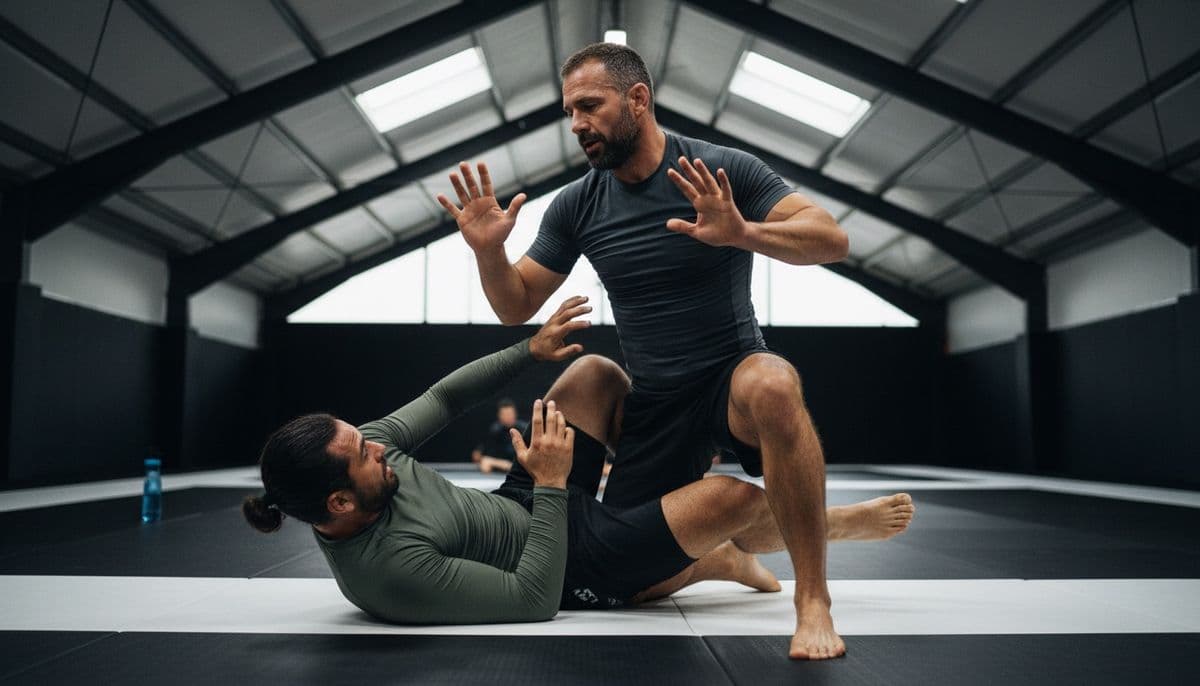
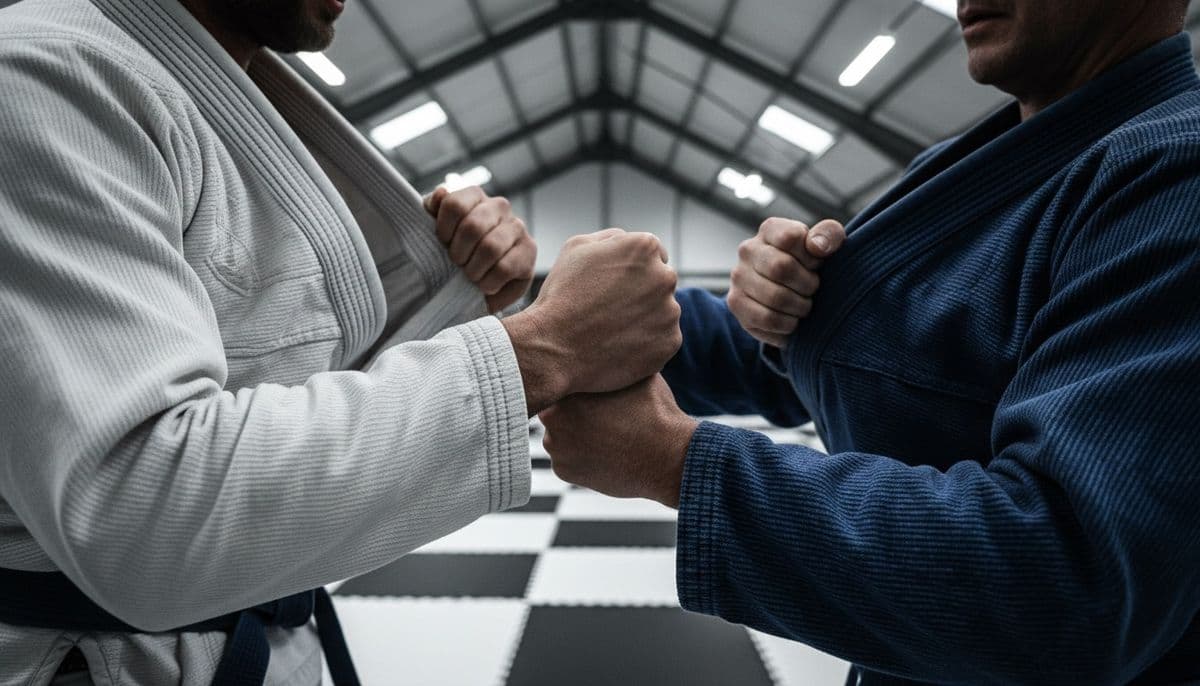
BJJ covers exactly that gap: clinching, takedowns, holding someone down, escaping from underneath and ending things with a choke or a joint lock. It lets you control a bigger person without throwing a punch, which is often the safest and most proportionate way to deal with a situation.
The gap: BJJ on its own doesn’t teach you to strike or defend punches the way a boxer learns to. Good self-defence jiu-jitsu deals with this by putting real emphasis on closing the distance safely and standing back up.
MMA: everything together
Mixed martial arts combines striking and grappling, and it is the closest thing to a complete system. Most MMA fighters, though, build their game from separate disciplines: they train jiu-jitsu, they train striking, then they put it together. If you are not planning to compete in a cage, you can get most of the benefit by training both halves.
What about Krav Maga and “reality” systems?
These focus on scenarios, weapons awareness and aggression, which has value. The question to ask of any self-defence class is simple: do you practise against a partner who is genuinely resisting? Arts with live sparring (boxing, Muay Thai, wrestling, judo and BJJ) build skills that hold up under stress, because you test them every week.
Our honest recommendation
If you only pick one, BJJ gives most men the biggest jump in confidence: it covers the situations untrained people are least prepared for, and you can train it hard several times a week without taking blows to the head. If you can do both, do both.
At The Farm in Horsham you can. SWBJJ teaches jiu-jitsu in the gi and no-gi, and Horsham Muay Thai teaches Thai boxing in the same building with coaches George Jarvis, a ONE Championship world title challenger, and Paulo Da Silva. Both are included in the one Adults membership, so you can grapple on Monday and strike on Thursday without paying twice.
How to start at SWBJJ
There are no free sessions at SWBJJ: every class is coached and paid for. Starting is simple. Tell us a little about you and a coach will call, WhatsApp or email to suggest the right first class and answer your questions. Adults train from 16, and the Adults membership is £98 a month with no joining fee and no contract beyond the month. It covers jiu-jitsu in the gi and no-gi, open mats, Thai boxing, yin yoga and, from 18, the strength gym.
We are at Unit T, Blatchford Road, Horsham RH13 5QR, inside The Farm, with a car park at the unit and a café that looks onto the mat. Prefer to talk first? Call 01403 864444.